
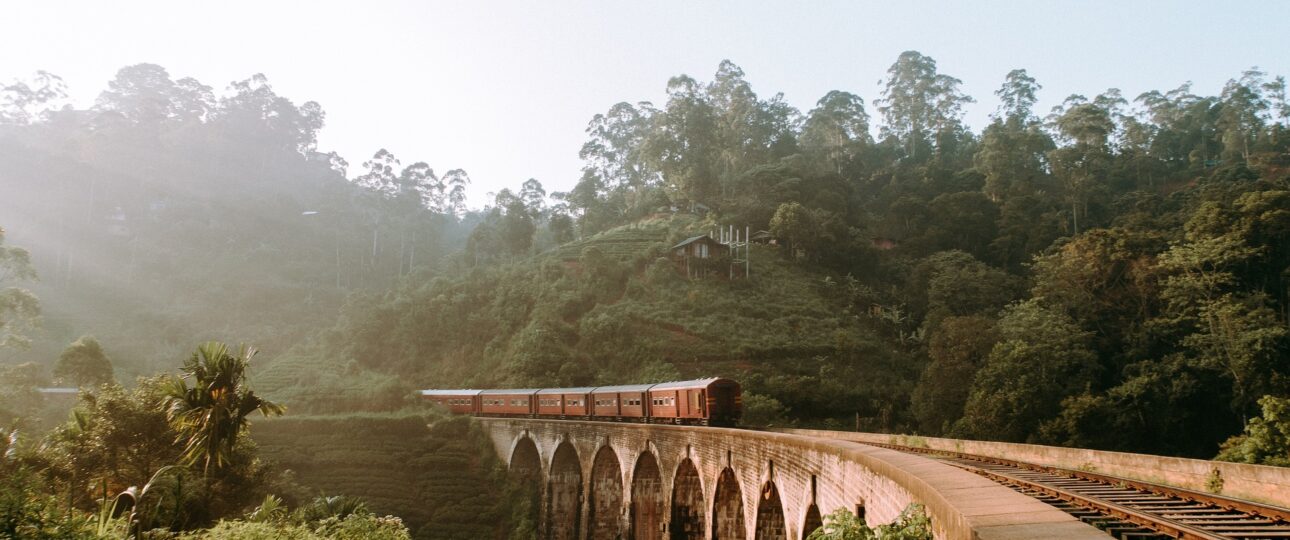
Public Transport in Sri Lanka is one of the most exciting parts of exploring the island, colourful buses rattle along coastal roads, trains climb through misty tea country, and three-wheelers weave through city lanes. If you’re planning a trip and wondering how Public Transport in Sri Lanka actually works, this guide breaks down every option, from the scenic railway to modern ride-hailing apps. Whether you’re travelling on a budget or simply want an authentic experience, understanding Public Transport in Sri Lanka will help you travel smarter, save money, and avoid common tourist mistakes.
Why Public Transport in Sri Lanka Is the Best Way to Explore the Island
Sri Lanka is compact, but its landscapes change dramatically within just a few hours of travel, palm-fringed beaches, hill-country tea estates, ancient cities, and rainforest all sit within reach of one another. Choosing public transport over private hire lets you see this variety at ground level, meet locals, and travel at a fraction of the cost of chartered vehicles. It’s also simply part of the experience: the Kandy-Ella train ride, for instance, is consistently ranked among the most scenic rail journeys in the world.
Types of Public Transport in Sri Lanka
1. Trains
Sri Lanka Railways (SLR) operates the island’s rail network, connecting Colombo to destinations like Kandy, Ella, Galle, Jaffna, and Anuradhapura. Trains are slow but wonderfully scenic, especially on the upcountry line through Nanu Oya and Ella.
- Booking: Reserved seats (1st class, Observation Saloon, 2nd, and 3rd class) can be booked online through the official SLR e-seat reservation portal or the SLR Reservation app, typically up to 30 days in advance for popular routes.
- Important tip: Online bookings generate an e-ticket or reference number that sometimes needs to be exchanged for a physical ticket at the departure station counter. Major stations such as Colombo Fort, Kandy, Nanu Oya, and Galle have exchange counters, but not every station does, so keep your reference number, NIC/passport, and a backup plan handy.
- Unreserved 3rd class tickets can usually be bought at the station on the day of travel and are the cheapest way to ride, though seating isn’t guaranteed on popular routes.
2. Buses
Buses are the backbone of Public Transport in Sri Lanka, reaching almost every town and village. There are two main types:
- Government (SLTB/CTB) buses: red buses that are the cheapest option, running fixed routes at fixed fares.
- Private buses: usually white, blue, or brightly decorated, slightly pricier but often faster and more frequent, including semi-luxury and air-conditioned intercity coaches on popular tourist routes (Colombo-Kandy, Colombo-Galle, etc.).
Fares are collected on board by a conductor, and routes are usually displayed on the front windscreen in Sinhala and English. Buses don’t run on fixed schedules the way trains do, they simply depart once full, so expect a flexible, “hop-on when it comes” rhythm.
3. Tuk-Tuks (Three-Wheelers)
Tuk-tuks are the most iconic way to get around locally, ideal for short hops within a town or city. Traditional metered tuk-tuks flagged down on the street typically start around Rs. 100 plus roughly Rs. 100 per kilometre, but meters aren’t always used, so it’s wise to agree on a fare before you get in, or insist on the meter.
4. Ride-Hailing Apps
App-based transport has made getting around dramatically easier for visitors:
- PickMe is the dominant ride-hailing platform in Sri Lanka, offering tuk-tuks, cars, vans, and even logistics/food delivery through one app. It has the widest coverage nationally, especially strong in Colombo, Negombo, and Kandy, though availability thins out in rural and hill-country towns like Ella or Nuwara Eliya.
- Uber also operates but with a smaller footprint, generally reliable within Colombo and nearby areas such as Negombo, Kadawatha, Kaduwela, and Panadura, with limited or no coverage further afield.
App-based rides tend to be cheaper and more transparent than street-hailed tuk-tuks, since the fare is shown upfront. It’s worth downloading both apps before you arrive, keeping some cash on hand as a backup, and confirming your destination verbally with the driver as well as through the app.
5. Private Drivers & Taxis
For multi-day touring, especially outside the main cities, hiring a private car with a driver is a popular and comfortable option. It costs more than buses or trains but removes the guesswork around schedules and connections, a good middle ground between independent public transport and a fully guided tour.
How to Use Public Transport in Sri Lanka: Step-by-Step Tips
1. Plan your route in advance using SLR’s online timetable for trains or a maps app for bus routes.
2. Book train tickets early for popular scenic routes like Kandy-Ella, especially during peak season.
3. Carry small cash notes, exact change is appreciated on buses and tuk-tuks.
4. Download PickMe (and Uber, if you’ll be mainly in Colombo) before you land, and register with a working phone number.
5. Agree on fares upfront with any street-hailed tuk-tuk or taxi that isn’t running on a meter.
6. Keep your belongings close on crowded buses and trains, particularly during rush hour in Colombo.
7. Ask locals or your hotel/guide for the nearest bus stand or station, route numbers and signage aren’t always in English outside major cities.
Cost of Public Transport with Sri Lanka – What to Expect
| Mode | Typical Cost | Best For |
|---|---|---|
| Government bus | Very low (a long intercity ride is often under Rs. 500) | Budget travel, short and long distances |
| Private/AC bus | Slightly higher than government buses | Comfort on popular tourist routes |
| Train (reserved) | Low to moderate, varies by class | Scenic long-distance journeys |
| Tuk-tuk (street) | ~Rs. 100 base + ~Rs. 100/km | Short local trips |
| PickMe/Uber | Often 10-20% cheaper than street tuk-tuks | Transparent, app-based fares |
| Private driver | Highest of the group, day-rate based | Multi-day touring, hill country, remote areas |
Public Transport Sri Lanka for Tourists – Safety & Etiquette Tips
- Solo travellers, and especially women travelling alone, are generally advised to avoid empty train carriages late at night and to prefer app-based rides after dark, when street tuk-tuks are scarcer and less regulated.
- On ride-hailing apps, always confirm the driver’s name, photo, and vehicle plate match what’s shown before getting in.
- If paying by card through an app, make sure the driver ends the trip in the app rather than continuing to run the meter after drop-off.
- Give up priority seating to elderly passengers, monks, and pregnant travellers, a small courtesy that’s widely appreciated.
Getting To and From the Airport Using Public Transport in Sri Lanka
Bandaranaike International Airport (BIA) has official pickup points for both PickMe and Uber, making app-based rides a reliable first and last step of your trip. Government airport buses also run to Colombo and Negombo at a much lower cost, though with less flexibility on timing and luggage space. Pre-booking an airport transfer through a private driver is another comfortable option if you’re arriving late at night or travelling with a group.
Making the Most of Public Transport in Sri Lanka
However you choose to travel by rail through tea country, by bus along the coast, or by tuk-tuk through Colombo’s back streets, getting comfortable with Public Transport in Sri Lanka opens up a far more authentic side of the island than a private car alone ever could. A little planning around bookings, fares, and apps goes a long way toward a smoother trip.
If you’d rather skip the logistics altogether, Overa Tours can build a custom Sri Lanka itinerary that blends scenic train journeys, private transfers, and guided experiences, so you get the best of the island without the guesswork. Get in touch with Overa Tours to start planning your trip.


