
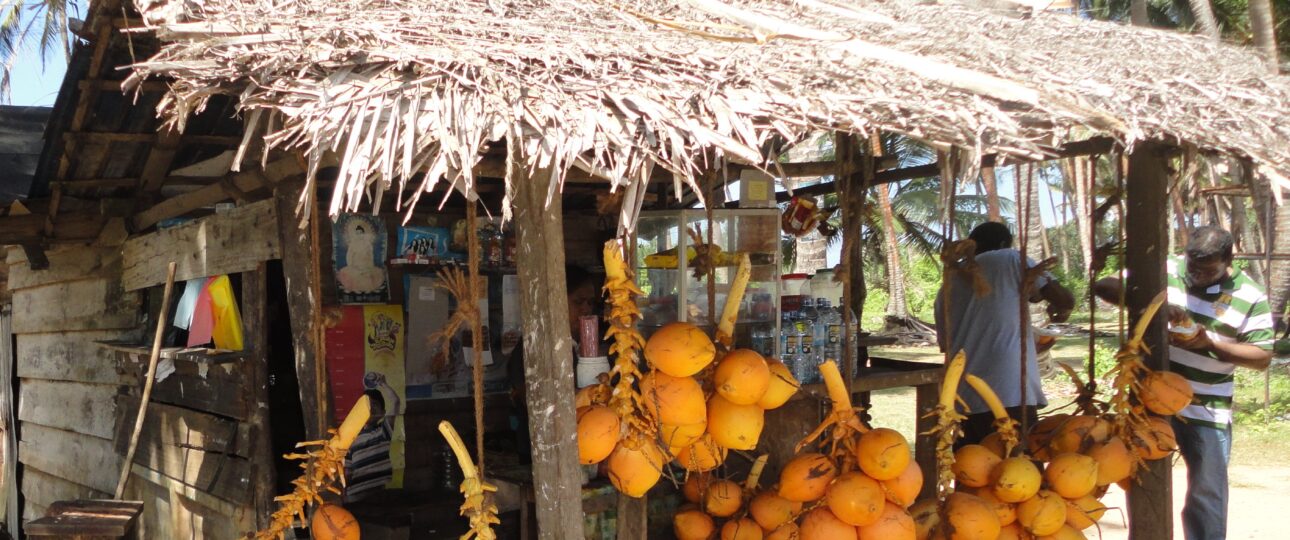
Imagine waking up in a hill country homestay, sharing a home-cooked curry with your host family, and learning to weave a coconut-leaf broom before the morning mist clears off the tea bushes. This is the heart of Community Based Tourism in Sri Lanka, a way of traveling that trades crowded checklists for real conversations and shared meals. From misty mountain hamlets to fishing villages along the coast, Community Based Tourism in Sri Lanka is turning everyday village life into an unforgettable journey for curious travelers. If you’re planning a trip that goes beyond beaches and ancient ruins, Community Based Tourism in Sri Lanka offers a rare chance to travel with purpose, leaving your footprint behind as a benefit rather than a burden.
What Is Community Based Tourism in Sri Lanka?
Community Based Tourism, often shortened to CBT, is a model where local residents, not large hotel chains or outside investors own, manage, and directly benefit from the tourism experiences on offer. In practical terms, this means homestays run by village families, guided nature walks led by local trackers, cooking classes taught by home cooks, and handicraft workshops hosted by the artisans themselves.
In Sri Lanka, this approach has grown into a genuine grassroots movement. Rather than money flowing to a handful of large operators, it circulates directly through village households, funding schools, supporting farmers, and helping preserve traditions that might otherwise fade. It’s tourism designed around people, not just places.
Why Community Based Tourism in Sri Lanka Is Growing
A few years ago, community-run village experiences were a niche add-on to a typical Sri Lanka itinerary. Today, they’re becoming central to how the country markets itself. Sri Lanka’s Tourism Strategic Plan for 2026-2030 places a strong emphasis on promoting community-driven tourism products, aiming to spread tourism benefits more evenly across regions, particularly underdeveloped ones, and to support small and medium tourism enterprises.
This shift is also being backed by real investment. The government’s proposed 500 Tea Villages project is expected to strengthen the country’s tourism industry while boosting tea export earnings, diversifying what the hill country has to offer visitors. Meanwhile, industry voices note that global travel trends increasingly favor authentic, community-based tourism experiences over standardized mass tourism, giving Sri Lanka’s coastal villages and highland hamlets a real opportunity to stand out.
Travelers are noticing the difference too. Recent travel guides highlight how community-based tourism has flourished in Sri Lanka’s northern and eastern provinces, where families now welcome guests into their homes for cooking classes and paddy-field walks that directly fund local schools.
Where to Find Community-Based Tourism Experiences in Sri Lanka
Sri Lanka’s compact size means village experiences are never far from the classic tourist trail. Here are some of the standout regions to explore.
1. Hiriwadunna and the Dry Zone Villages
Near Sigiriya and Habarana, the village of Hiriwadunna has become one of the country’s best-known community tourism destinations. Visitors join villagers for a bullock cart ride, a catamaran paddle across a small tank (reservoir), and a home-cooked lunch served on a lotus leaf. It’s a snapshot of rural life in Sri Lanka’s dry zone, run almost entirely by the community itself.
2. Meemure, the Last Traditional Village
Tucked deep in the Knuckles mountain range, Meemure is often described as one of Sri Lanka’s most untouched villages. Trekkers who make the journey stay in local homes, eat meals cooked over a wood fire, and hear stories about a way of life that has changed little for generations. Both Hiriwadunna and Meemure are frequently cited as villages that have benefited significantly from community tourism, with residents earning sustainable livelihoods through homestays, guided tours, and the sale of local crafts.
3. The Hill Country Tea Villages
Sri Lanka’s tea growing highlands are home to close knit communities whose lives revolve around the plantations. New initiatives here are opening up tea picking experiences, factory visits led by local workers, and stays with tea-estate families, a more intimate alternative to the large hotel resorts that dominate the region.
4. Northern and Eastern Coastal Communities
In the north and east, fishing and farming villages are opening their doors to travelers through homestays, seafood cooking classes, and lagoon tours led by local boatmen. These experiences are especially rich in cultural exchange, offering a side of Sri Lanka far removed from the busy south coast beach towns.
What You Can Actually Do – Community Based Tourism Activities
A well-designed community tourism itinerary in Sri Lanka can include:
- Homestays with local families, including home cooked breakfasts, lunches, and dinners.
- Cooking classes covering Sri Lankan staples like coconut sambol, dhal curry, and hoppers.
- Guided village walks led by residents who know every footpath and backstory.
- Traditional craft workshops, from mat weaving to pottery and batik.
- Farming and paddy-field experiences, including planting or harvesting rice by hand.
- Boat rides and lagoon tours with local fishermen in coastal and northern regions.
- Cultural performances, storytelling evenings, and traditional music.
Each of these activities keeps spending inside the village economy, rather than routing it through outside operators.
The Benefits of Community Based Tourism in Sri Lanka
1. Choosing Community Based Tourism in Sri Lanka isn’t just a feel good travel choice, it creates measurable impact.
2. Economic empowerment – Income from homestays, guided tours, and craft sales goes directly to households, funding everything from school fees to home improvements, rather than being absorbed by large intermediaries.
3. Cultural preservation – When traditions become something visitors want to see and learn, communities are more motivated to keep them alive from traditional cooking methods to weaving techniques passed down through generations.
4. Environmental stewardship – Many community tourism programs are tied to conservation of the natural resources they depend on, including forests, wildlife habitats, and water bodies, giving villages a direct incentive to protect their surroundings.
5. Authentic cultural exchange – Unlike a scripted resort activity, a conversation with a host family or a shared meal in someone’s kitchen offers a genuine two-way exchange between traveler and community.
Tips for Planning Your Community Based Tourism Experience
- Book through reputable local operators who have direct, transparent partnerships with the villages involved, so you know your money reaches the community.
- Pack light and pack respectfully modest clothing is appreciated in rural and religious settings.
- Learn a few Sinhala or Tamil phrases; even simple greetings go a long way in a homestay setting.
- Set aside more time than you think you need. Village life doesn’t run on a tour bus schedule, and the best moments often happen when you slow down.
- Bring cash in small denominations for craft purchases and tips, since many villages have limited card payment options.
- Combine village stays with classic sites, such as Sigiriya, Kandy, or the hill country train ride, for a well-rounded itinerary.
Experience Community Based Tourism in Sri Lanka with Overa Tours
At Overa Tours, we work directly with village communities across the dry zone, hill country, and coastal regions to design trips that go beyond the standard sightseeing route. Whether it’s a homestay in Meemure, a cooking class in a northern fishing village, or a tea-picking morning in the highlands, we build itineraries that put people, not just landmarks at the center of your journey.
If you’re ready to experience Community Based Tourism in Sri Lanka for yourself, get in touch with Overa Tours to start planning a trip that gives back to the communities that make Sri Lanka unforgettable.

